Weeknote #584: Saving the World
Weeknote #584: Saving the World
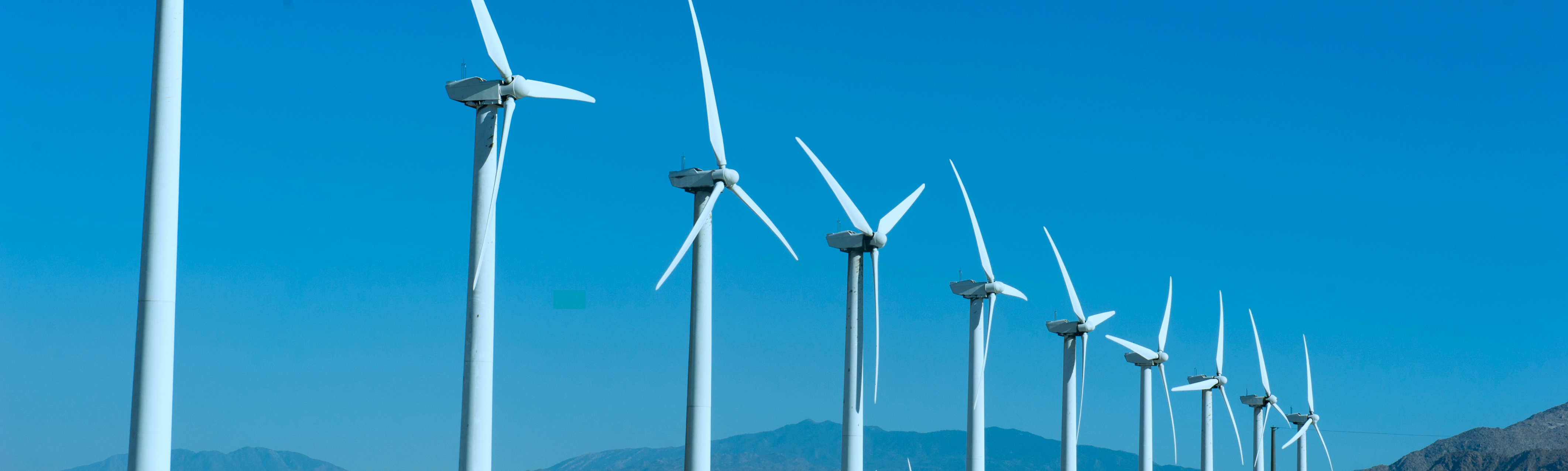
This week was dominated by the IPCC report on climate change published last week Monday. It states that we must dramatically reduce our carbon footprint to become carbon neutral within the next 20–40 years. This will require all countries, business sectors, organizations, and individuals to work together towards this goal. Small, insignificant actions and greenwashing are not acceptable anymore.
“There’s no emergency exit out of this planet.”
Our Slack conversations this week have been centered around the report: what should we do as individuals, as designers, and as a company to help this world to survive.
What are you planning to do with your limited time?
I am planning to retire at the age of 70. That means that I have about 20 years of active professional life left. Realizing this makes me think: what should I do with the time that I have left as a designer?
As you may have experienced, time seems to accelerate when you get older. For me, the next 20 years will be flying past before I know it.
Because of this, I don’t want to waste my designer time for anything irrelevant. The work I do must have a meaning and aim to make this world profoundly a better place for us and for the forthcoming generations.
What is important?
Even though everything digital has permeated all aspects of life, the pressing challenges in this world today are not digital but physical.
“Current big challenges are not digital but physical.”
We consume too much energy produced by burning fossil fuels. We heat the planet by moving around or transporting goods. We destroy the environment as a by-product of growing food. We produce single-use objects that end up littering the oceans.
Can we do something about it?
We have had heated discussions about what the impact of one’s personal choices is in the big picture. If you are the only one who stops eating beef and cheese, will that save the world? Of course as a single action, it has limited impact. However, your actions may inspire your friends to join the cause, too. When many of you ask for oat milk at your local café, they will soon decide to provide you some. Later other clients see this on the menu and will start trying it out with their daily coffee. Soon the local politician pops in, discusses with the barista the increased awareness, and decides to support the good cause with the more far-reaching powers that she has. Your small personal choice will eventually be very powerful, when it is multiplied by others that think alike. (See a great Slate article for more.)
The most impactful actions can be done by politicians that define the incentives and possible penalties for corporations and the public sector, and thereby they steer the world towards sustainable solutions. Politicians and corporations will listen to the citizens and their customers, so it also pays off for individual people to be vocal enough.
Thirdly, we need to ask what should we as designers do? We have much more influence than an average consumer. Have you considered how you will carry this responsibility? What is your impact and responsibility in your professional life?
Yes, we can!
I’m really happy that Nordkapp has been working for quite some time on many industry sectors for a positive impact on the environment. For example, we are currently involved in these areas:
Mobility and logistics: new concepts for urban mobility, making riding trains more attractive in Finland and in Europe, reducing energy in transporting goods both over distance and over the last mile.
Energy: solar energy and related services, smart energy consumption, reducing energy usage in heating; we also soon start to work with one of the largest heating equipment providers in Europe
Food & water: how to improve energy efficiency with smart agriculture in the Netherlands, one of the major food producing countries in Europe
Materials and circular economy: we are busy innovating in this area, and we’d like to do more with our increased industrial design capabilities
Let’s eat our own (vegan) dog food
In addition to our design work, we need to take a critical look at our daily practices. Inspired by a recent decision by WeWork, we decided to have our traditional Thursday breakfasts all vegan from now on. We will try this for one month first, and see how people like it, and take it from there.
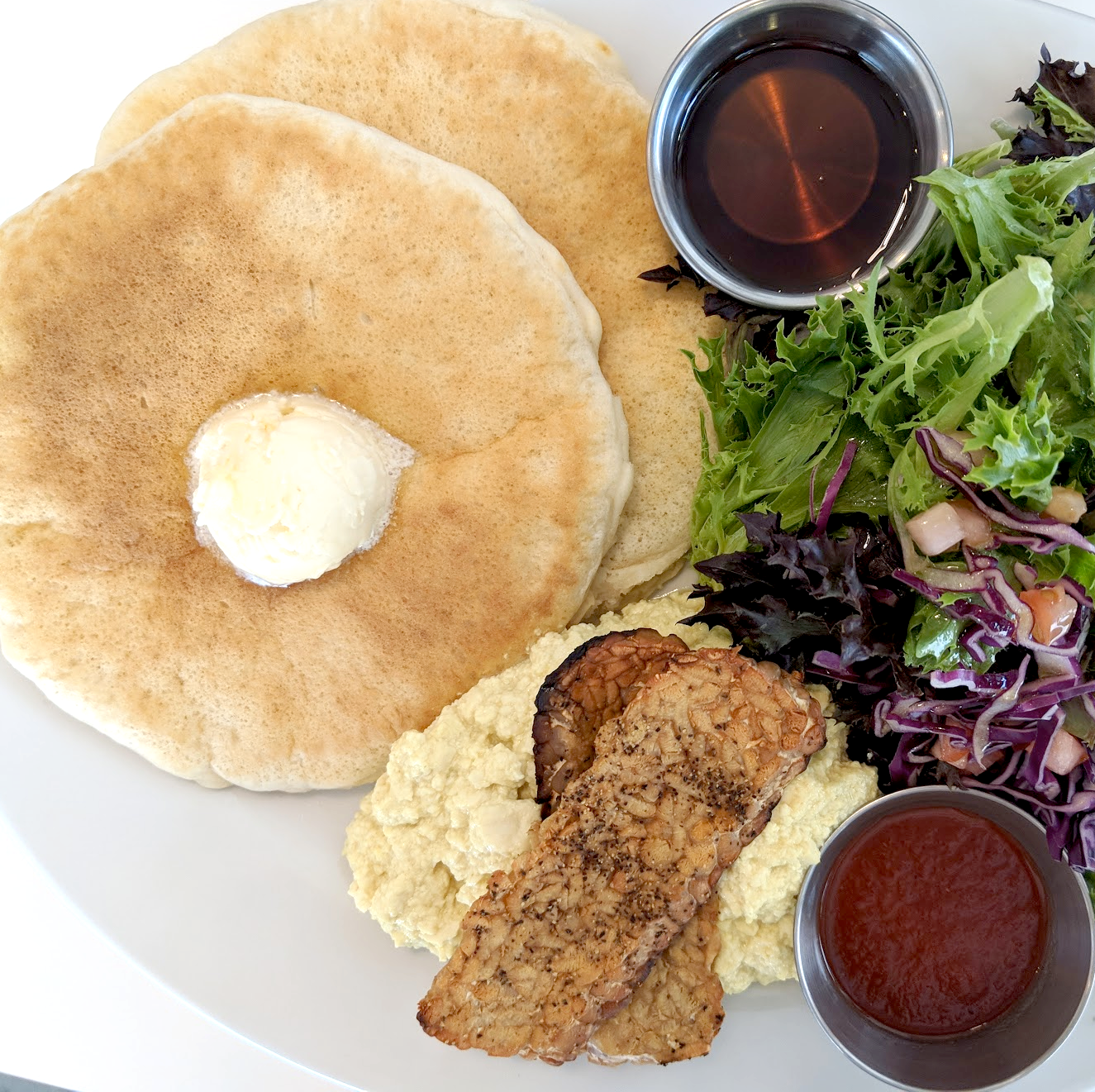
Before reached this conclusion, we had a really good and constructive discussion on our Slack about it. A vegan breakfast will have limited impact, but the most important outcome of this is that people actually needed to think, take a stance on the issue, and thereby learn about sustainability, the impact of our own choices, and how much the decisions such as the vegan breakfast should be imposed by an authority (in this case, our company) versus left up to each individual to decide.
My feeling is that people will find that our vegan breakfast is just as good as the bacon-egg fry-up — or better — and you feel better about yourself afterwards, physically and mentally.
Five things we read this week:
2. JD.com Launches New Reusable Package Initiative
3 Avoiding meat and dairy is ‘single biggest way’ to reduce your impact on Earth
4. WeWork will no longer serve meat at events or expense meals with it
5. Actually, Your Personal Choices Do Make a Difference in Climate Change

Weeknotes are what happened at our studio this week. This week’s weeknote was curated by Panu Korhonen.
Panu is a designer who wants to create designs that save the world.